
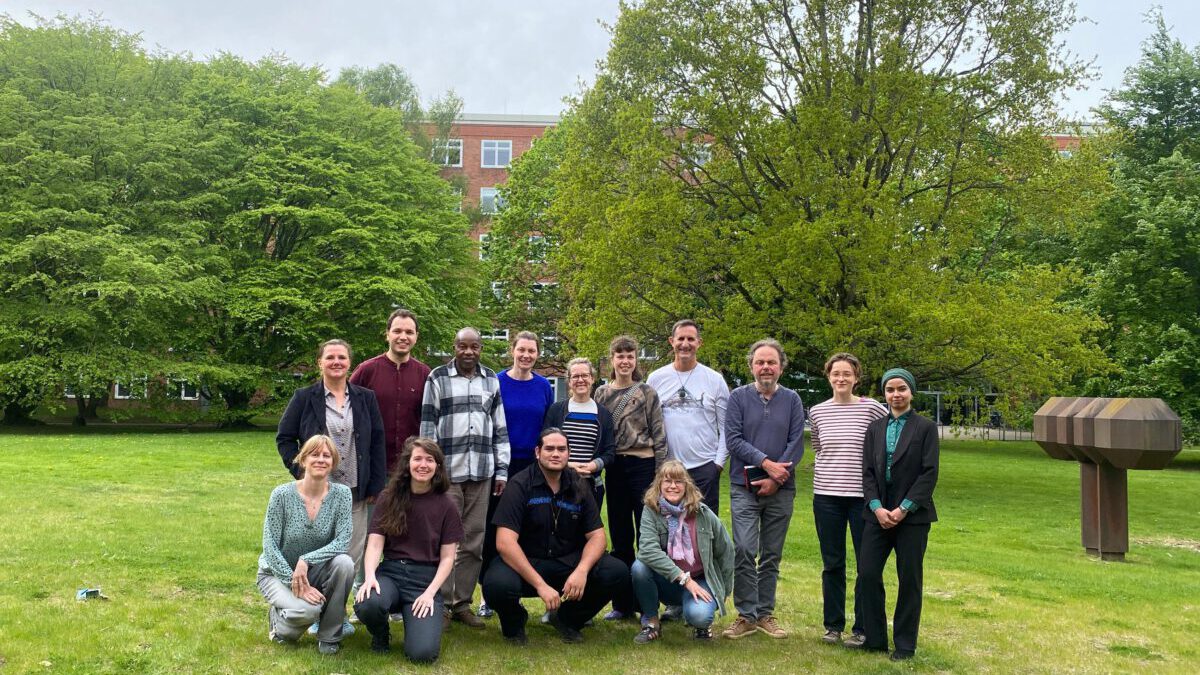
On 6 May 2026, an interdisciplinary and intercultural knowledge-sharing event brought together perspectives from South Africa, the Pacific region, and Germany at the Department of Geography at Kiel University. The event was organized by the EnJust Network and the UN Ocean Decade and created a space for dialogue on indigenous environmental politics, decolonization, education, and collaborative research practices. The UNESCO Chair for Integrated Marine Sciences was represented by Silja Klepp.
The meeting began with a an overview by Afifa Khalid of the EnJust Network, its ongoing activities, and opportunities for collaboration and membership.
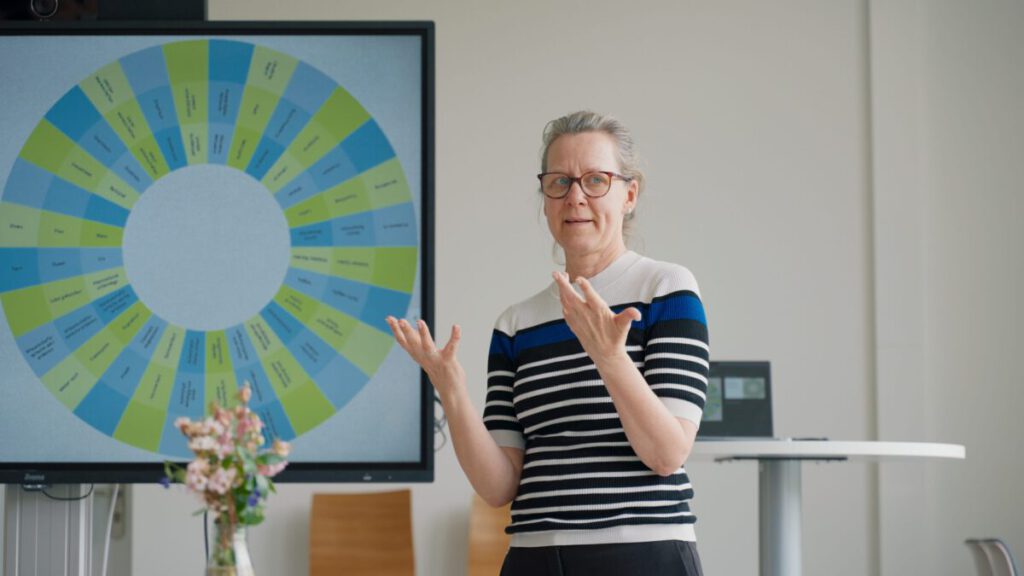
COLLAB Postcolonial was presented by Silja Klepp. The interdisciplinary board game is designed to encourage critical reflection on postcolonial perspectives, privilege, and power relations in educational and research contexts. Participants discussed the role of discomfort in learning processes, unequal access to knowledge and opportunities, institutional hierarchies, and the suitability of critical teaching formats for different student groups.
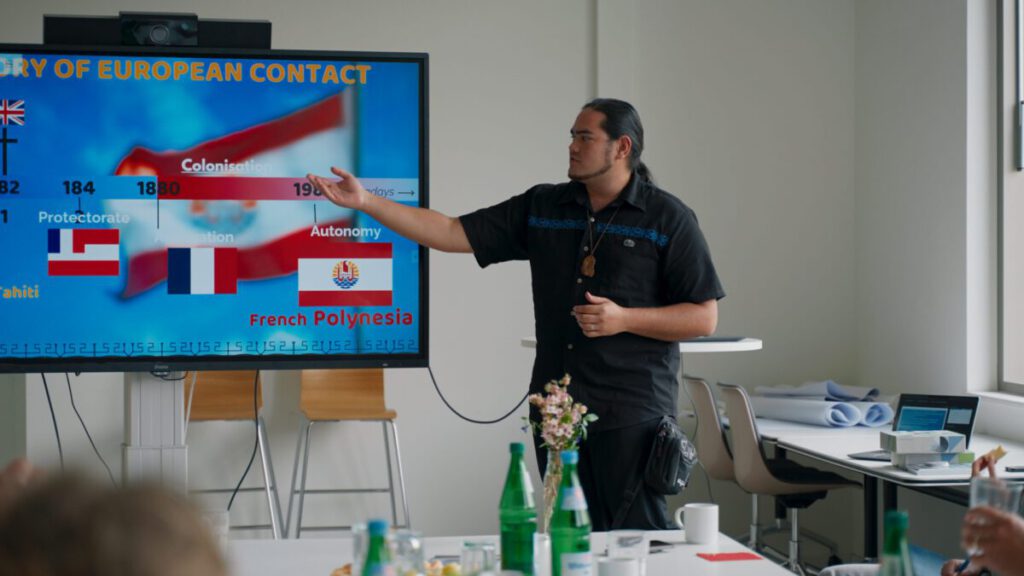
The discussions continued with presentations focusing on indigenous environmental politics and decolonization, particularly from perspectives connected to French Polynesia, presented by Ihirau Piton. Conversations explored the relationships between language, history, identity, and environmental knowledge, as well as the lasting colonial impacts on education, research, and indigenous languages such as Tahitian. Participants reflected on the importance of indigenous knowledge systems, intergenerational learning, and approaches to science and nature that move beyond extractive and exploitative frameworks.
Another highlight of the event was the screening of the Tiaki Moana trailer by Mehdi Balamissa, which sparked discussions around youth leadership, ocean protection, community engagement, and cultural preservation. The event also benefited greatly from the contributions and perspectives shared by Dr. Dan Hikuroa and Maano Ramutsindela.
The meeting concluded with reflections on future collaboration opportunities and an appreciation for the open, interdisciplinary, and intercultural exchange. Participants emphasized the importance of creating spaces for dialogue that connect different regions, experiences, and knowledge traditions in the pursuit of environmental justice.
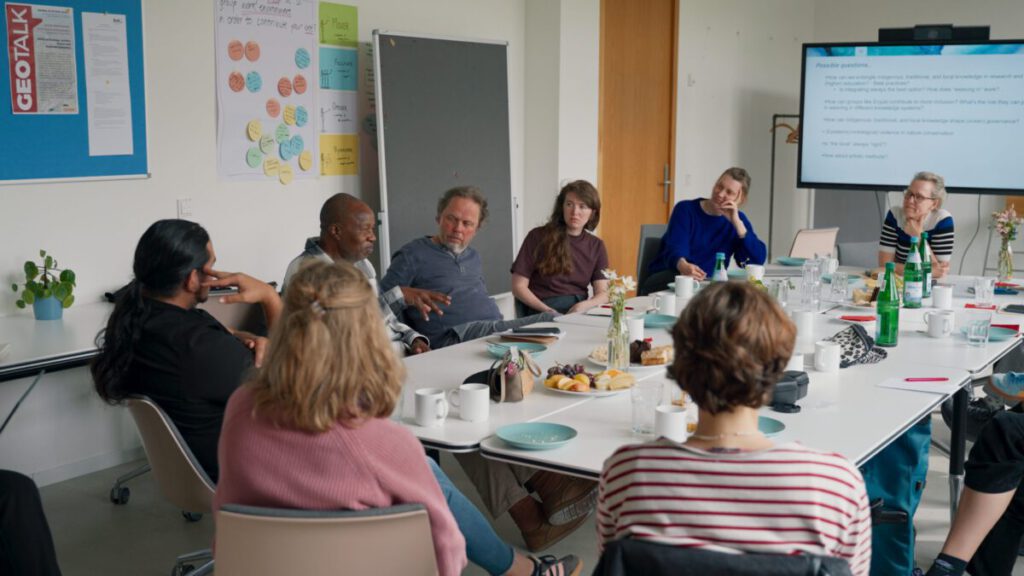
Throughout the event, Mehdi Balamissa captured many impressive moments on camera. These recordings were turned into a short film documenting the gathering and its discussions.
Pictures by: Mehdi Balamissa & Paula Deppenbrock